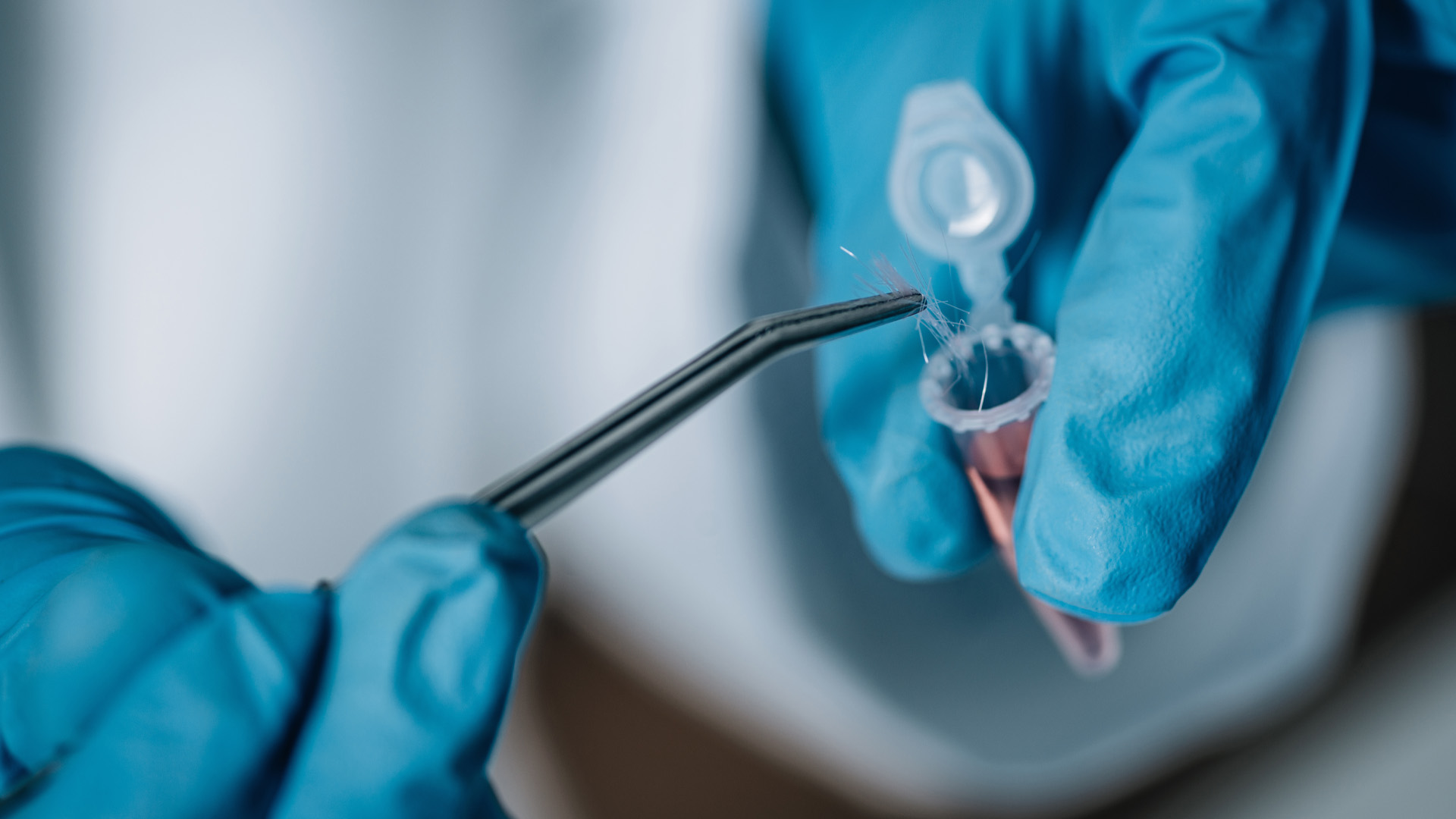


Calcium is one of the most significant minerals shown on a Hair Tissue Mineral Analysis (HTMA) Test. It is not only a structural mineral for bones and teeth, but also a vital regulator of energy, nerve function, mood, and metabolism. Understanding your calcium level through HTMA provides deep insight into your thyroid and adrenal activity, stress response, and overall vitality.
What Calcium Represents on a Hair Mineral Analysis
Compared with blood calcium levels, hair calcium levels reflect tissue calcium levels. This reflects much more than dietary calcium intake. It reflects how well calcium is utilized and regulated in the body. Calcium levels in hair can indicate whether calcium is bound in tissues or being lost excessively due to stress or imbalanced hormones.
When Calcium is High on a Hair Test
A high calcium level on a hair analysis often indicates that calcium has become bio-unavailable. This means calcium is accumulating in soft tissues rather than being properly utilized by bones, teeth, and cells. This leads to muscle and joint pain, osteoarthritis, and osteoporosis.
This pattern is common in slow oxidizers—individuals with sluggish thyroid and adrenal activity.
Signs of high tissue calcium include:
- Fatigue and low energy
- Depression or emotional withdrawal
- Muscle stiffness or joint pain (neck, back, jaw, etc.)
- Poor digestion and sluggish metabolism
- Brain fog
High calcium on an HTMA often correlates with a calcium shell pattern, reflecting emotional protection and reduced sensitivity to stress. This can, over time, slow energy production and emotional responsiveness.
When Calcium is Low on a Hair Test
Low calcium readings generally indicate that calcium is being lost from the tissues, often due to stress, sympathetic dominance, or elevated adrenal activity. This is frequently seen in fast oxidizers, where the metabolism is running too high.
Signs of low tissue calcium include:
- Anxiety or restlessness
- Insomnia and muscle tension
- Tooth grinding or jaw tightness
- Bone and joint weakness
- Calcium loss through the urine due to stress or excess sodium
- Osteoporosis
- Heart rhythm disturbances
- Unstable blood sugar regulation
The Role of Calcium Balance in Health
Calcium is closely linked to the thyroid, parathyroid, and adrenal glands. The body uses these systems to regulate calcium in the blood and tissues. When stress, toxins, or poor diet disrupt this balance, calcium can either accumulate excessively or become depleted—both of which disrupt normal cell communication, nerve conduction, and energy balance.
Supporting Mineral Balance Through Detoxification
During detoxification with mineral balancing, calcium levels may temporarily rise or fall as the body mobilizes stored toxins. It is important to support remineralization throughout this process with mineral balancing, specific supplements, particularly magnesium, zinc, and trace elements. Mineral balancing helps stabilize the nervous system and maintain proper calcium metabolism as deeper healing occurs.
Your Next Step Toward Mineral Balance
HTMA can detect underlying calcification or calcium deficiency. Calcium is far more than a bone mineral—it is a marker of how your body manages energy, emotions, and resilience. Whether high or low, calcium readings on a Hair Mineral Analysis reveal key information about your metabolism, stress patterns, and healing.
The most reliable way to accurately assess your calcium levels and create a personalized mineral-balancing program is to have an HTMA test done by a qualified expert. Call or text Diane at Vital Changes Acupuncture at (619) 808-2364 for your Hair Mineral Analysis test today.